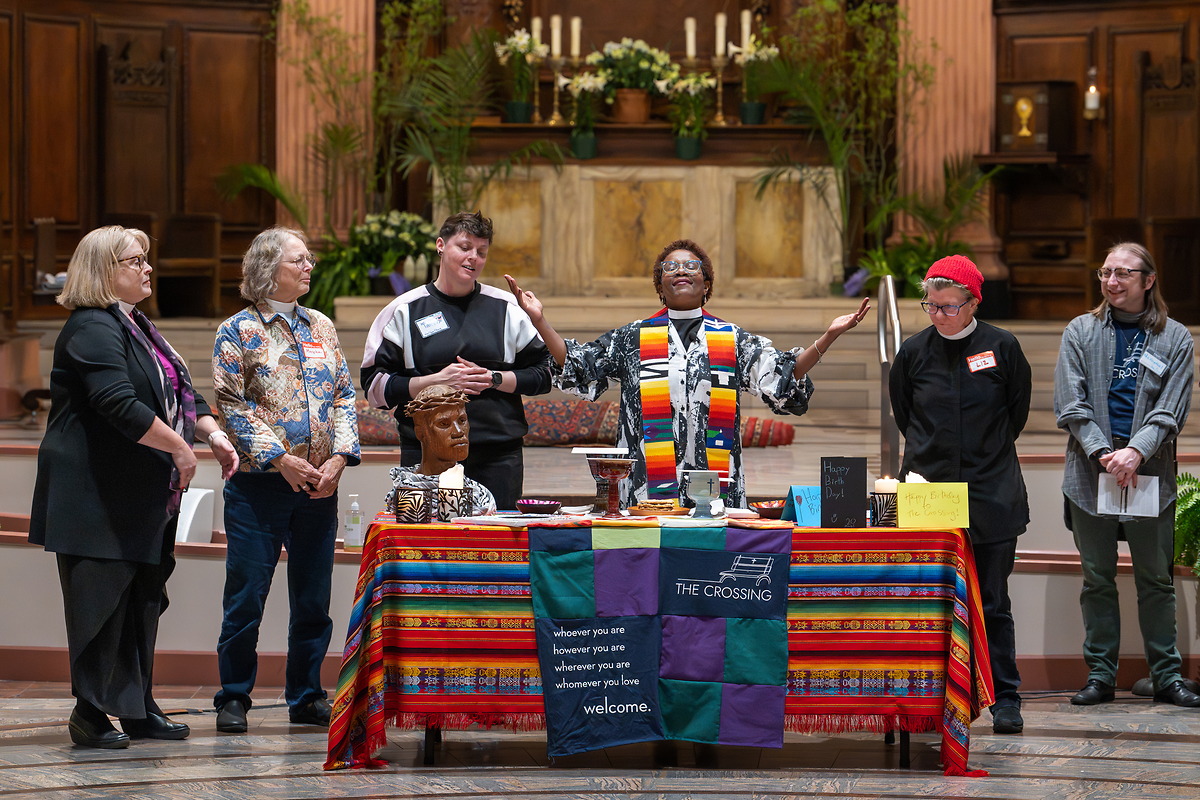
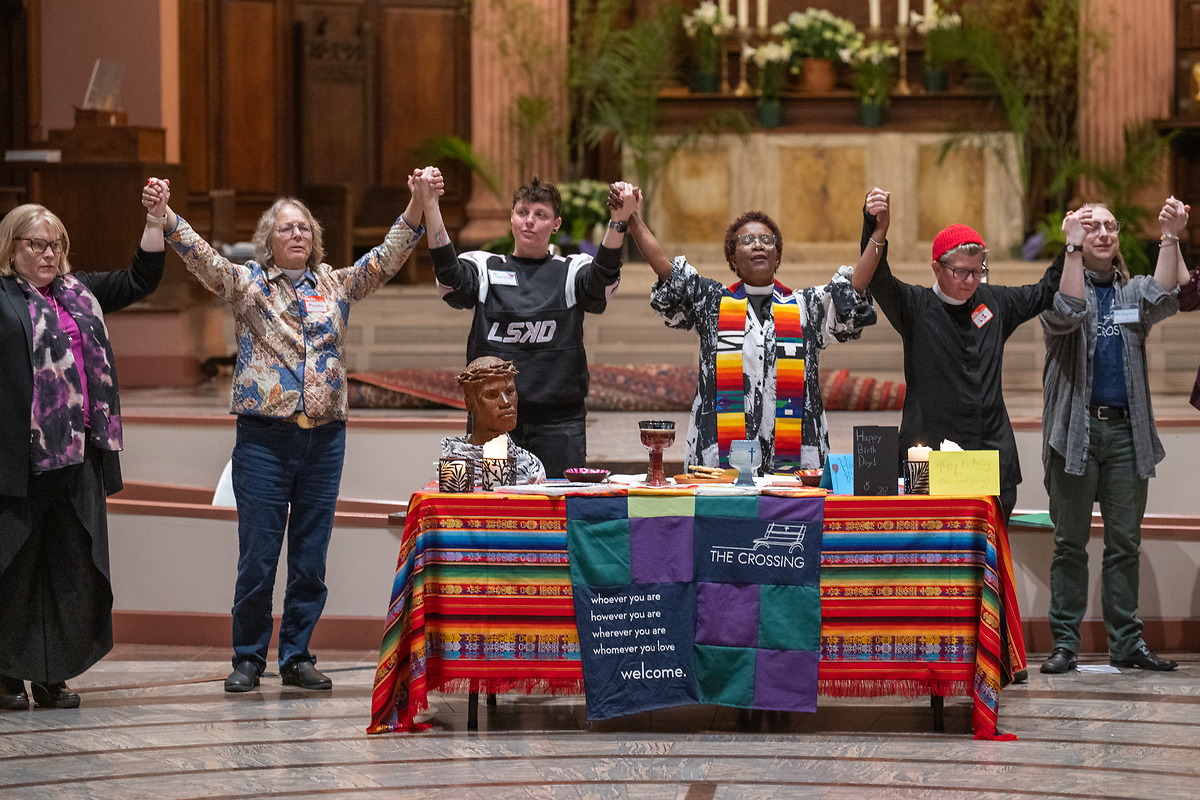
Maybe it was the invitation to get in the groove and dance during the blessing. Or the Episcopal gamers mentioned in the opening, or the person who offered a “prayer of thanksgiving for all of my fellow weirdos."
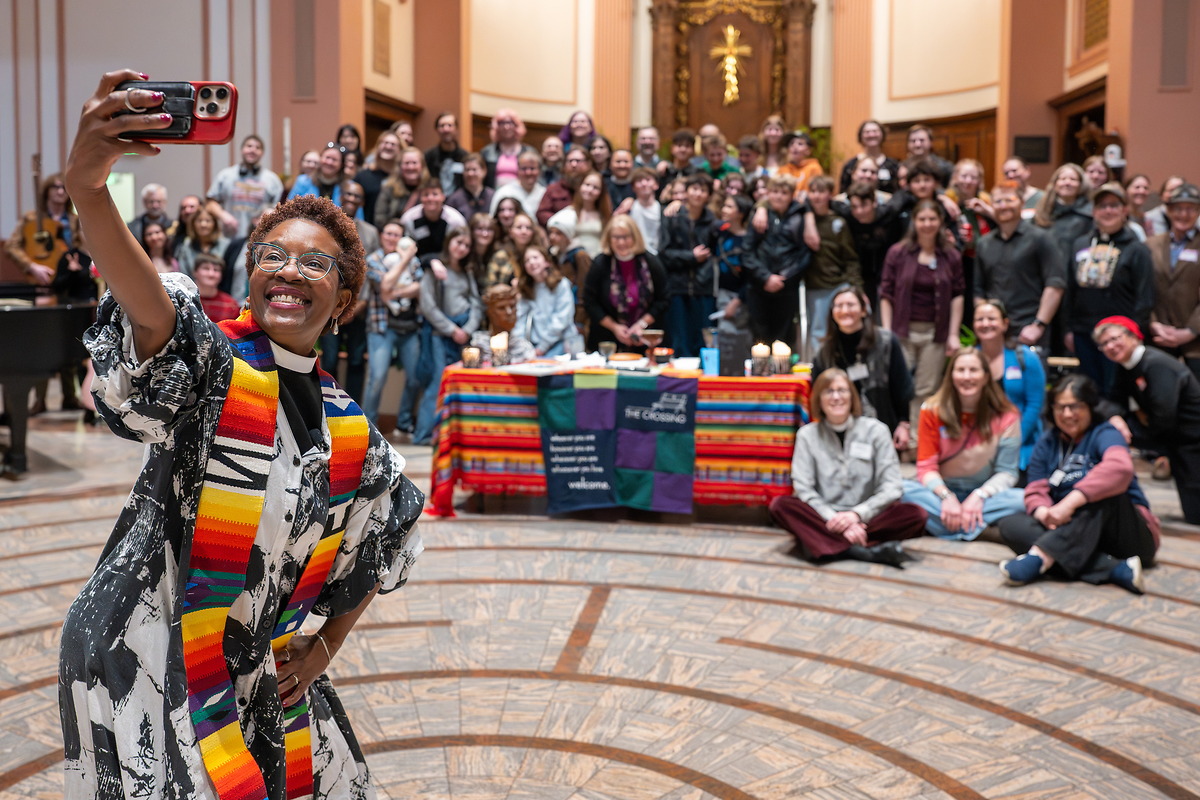
Maybe it was all the humor and tears. Or the direct message of belonging to everyone and anyone who has been hurt by church, who may believe anything or nothing about God, or faces persecution for being who they are. Maybe it was the reminder that everyone is “holy and fabulous,” captured in the concluding selfie where everyone who wanted to squished in.
These moments—and so many memories across two decades— at the April 9 service at The Crossing, marking its 20 years of worship at The Cathedral Church of St. Paul, made for a bountiful demo of radical welcome.
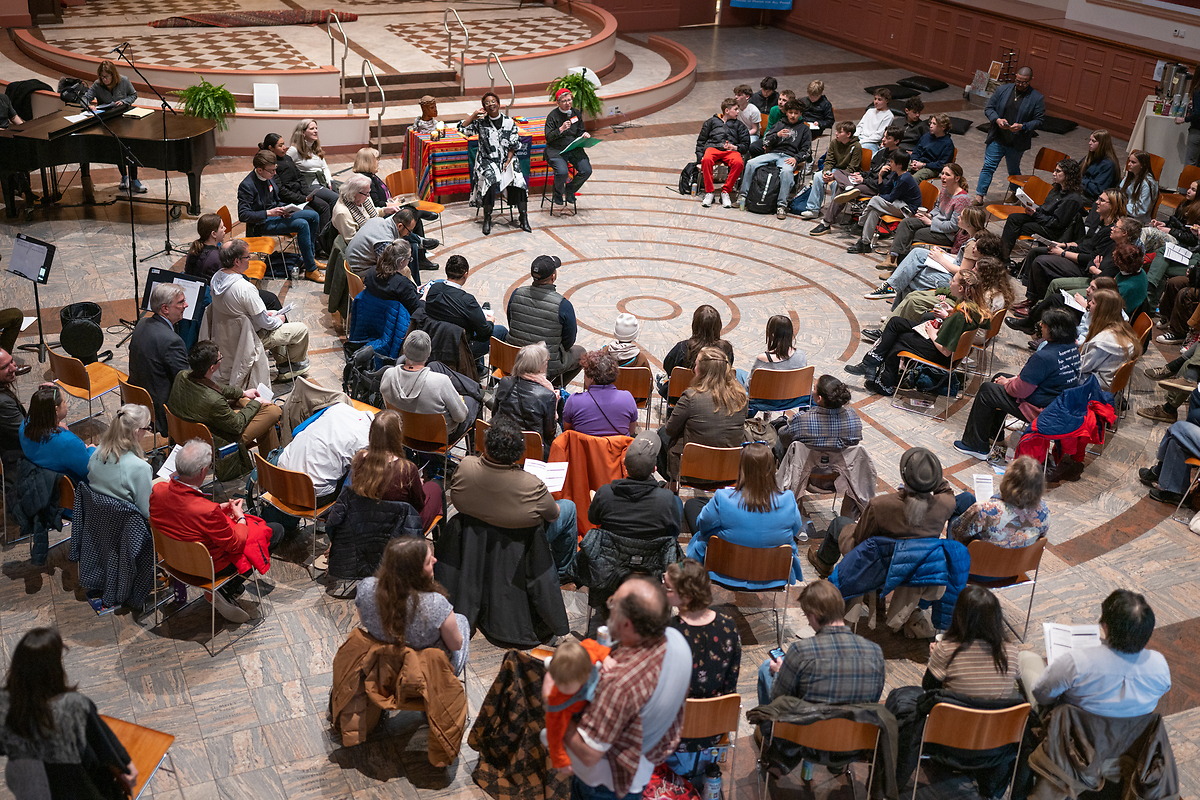
When 120 people showed up, the 50 printed service bulletins had to be shared, and a startling data point emerged from this joyous reunion: at least 16 priests present became ordained on individual journeys that began at The Crossing or were deeply influenced there. In all, 30 people stood when asked whether their ministry had been formed or shaped by The Crossing. Call these key performance indicators for radical welcome, a core value for the Diocese of Massachusetts as it embraces becoming the church of the future.
“Many people in our community are worried about their safety and are feeling disconnected from institutions and places of belonging we once trusted,” said the Rev’d Canon Marissa S. Rohrbach, Canon for the Central Region.
“In this moment, it’s a particularly beautiful and joyful thing to see so many of our congregations offering an alternative narrative, proclaiming the good news of Jesus Christ, and responding to this pain both by seeking to be places of safety and belonging as well as engaging in justice work and advocacy...
“This work is historically rooted in the life of this diocese, it's work that is close to our bishop's heart, and it is offering hope to so many who are feeling lost in this moment.”
Deep Roots and Brave Vocation
While the style of The Crossing is innovative, its mission is rooted in the Cathedral’s 1919 mandate to be a “house of prayer for all people.” For the Very Rev’d Amy E. McCreath, Dean of the Cathedral, radical welcome is the contemporary fulfillment of that long-ago calling.
Dean McCreath notes that this mandate is lived out through three distinct worshipping communities at the Cathedral. This includes the Sunday congregation and MANNA (Many Angels Needed Now and Always), a community of and for people experiencing homelessness and housing insecurity.
"The Crossing embraces that call and helps us see radical welcome in all congregations," McCreath says. "Underneath is the deep conviction that everyone is made in God’s image and that the church is not complete until everyone is able to offer their gifts and grow in relationship with God. Part of this cathedral's vocation is to model what it looks like to follow Jesus in ways that are brave and help people in all the congregations of the diocese to also live into their calling bravely."
This brave modeling began when now the Rev’d Canon Stephanie Spellers followed a vision she received on a dance floor at a gay club back in 2000: she says God showed her a picture of a Christian community that gathers and celebrates people alienated and diminished by traditional religion. "The call was to create a church that speaks to the deep yearnings and gifts of folk on the margins, yearnings I share and questions that I still ask... about tradition, about white supremacy, about Episcopal elitism," she recalls.
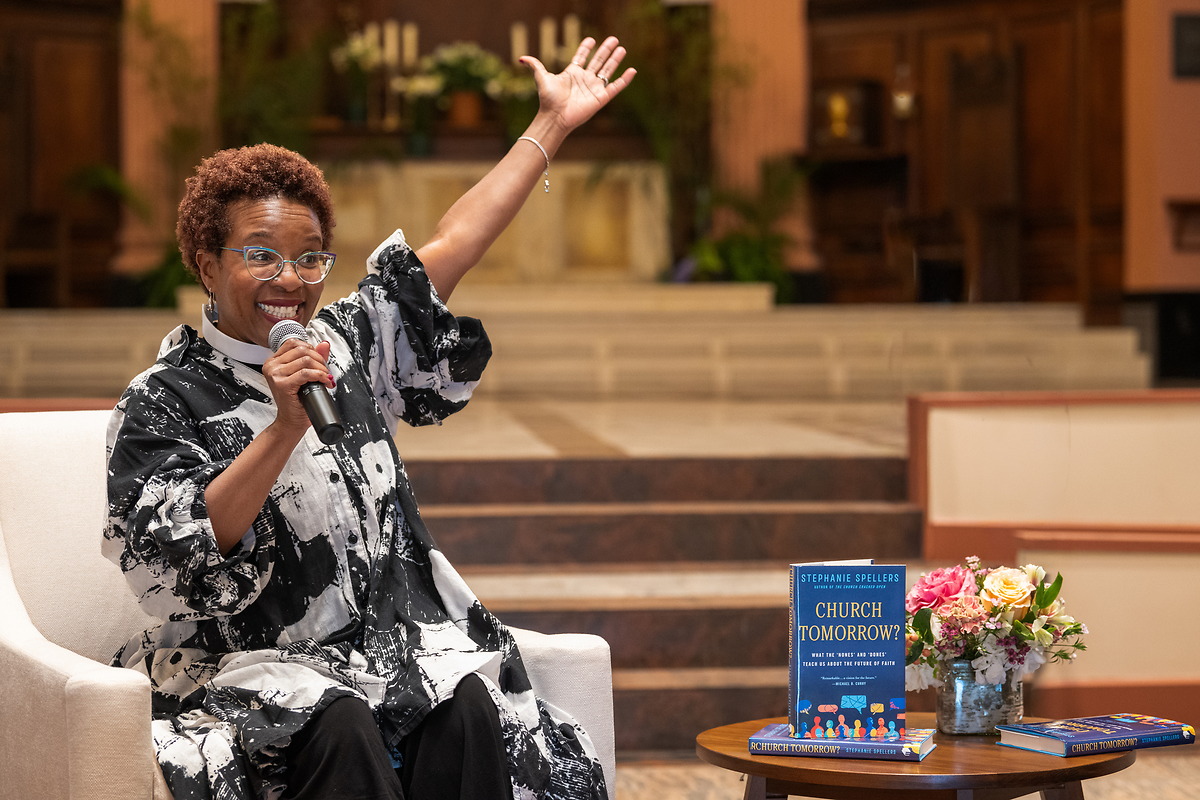
“Rev Steph” went on to author “Radical Welcome: Embracing God, the Other, and the Spirit of Transformation” in 2006. Before the anniversary service, she and Bishop Julia E. Whitworth hosted a session discussing her new book, “Church Tomorrow?: What the 'Nones' and 'Dones' Teach Us About the Future of Faith.”
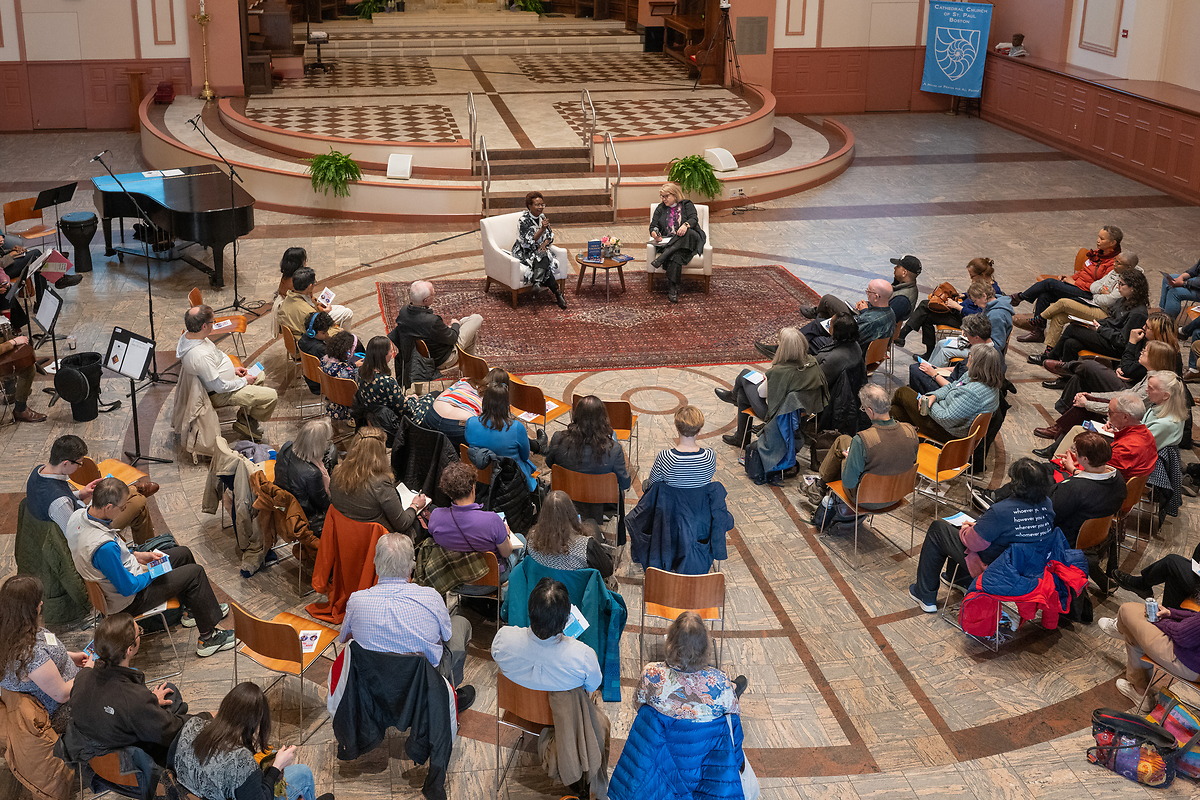
Looking back to the first Crossing service on April 20, 2006, Spellers said she prayed, “OK God, you planted this vision, and you called me to build you a church. Well, these people together, we are building you a church. So have your way, Holy Spirit.”
“And then we just kept placing this congregation in the hands of God again and again.”
No Hierarchy of Belonging
The Crossing’s ability to form creative, justice-centered disciples is no accident. It is the result of a "horizontal" leadership model that moves away from top-down authority toward collective empowerment—a key priority for Bishop Whitworth’s vision of "becoming the diocese together."
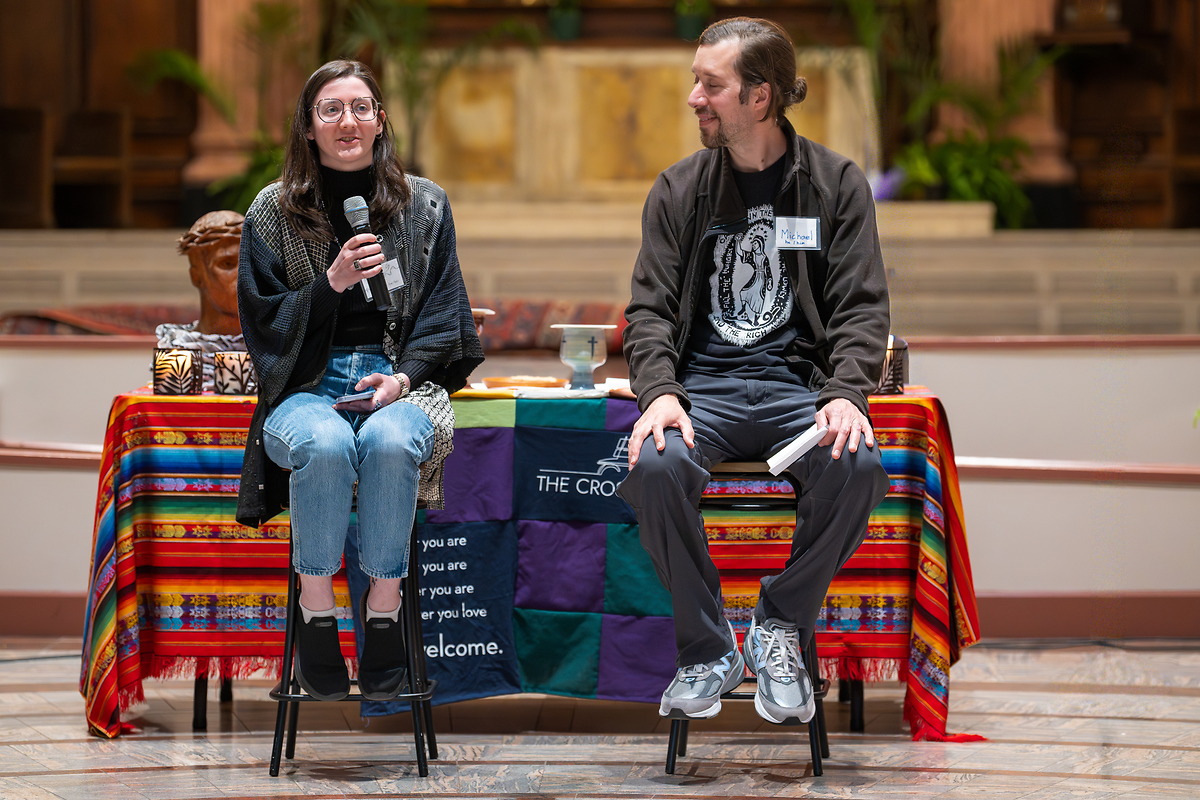
The structure of the leadership team at The Crossing “was highly intentional: each leader took responsibility for one ministry area, served as a lifeline to support another leader, and made community decisions collaboratively,” says the Rev’d Canon Julia Sierra Reyes, now Canon to the Ordinary in the Diocese of California. "It taught me the deep mechanics of shared leadership and collective empowerment."
The Rev’d Liz Steinhauser, the current priest and lead organizer at The Crossing, notes that this horizontal approach was a deliberate theological choice to redistribute power.
"We were very intentional about not having a 'lead' person," Steinhauser explains. "It was about shared ministry and a shared voice. That horizontal leadership allowed us to be more responsive to the community and to ensure that the work of justice was built into the very way we gathered."
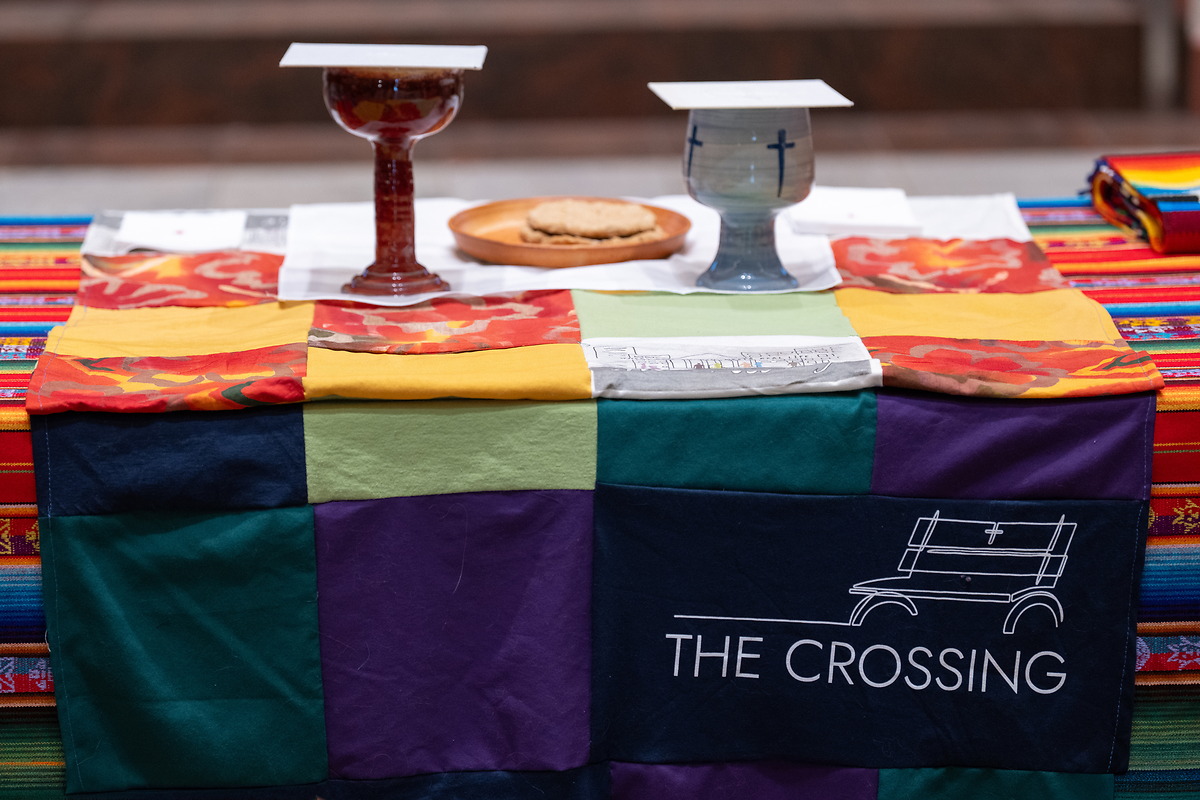
Joyful surprises imbued The Crossing’s radical welcome. Even today, everyone at The Crossing is invited to make something during the service – to speak, sing, play music, invest themselves in the creation of an experience that will never be exactly repeated.
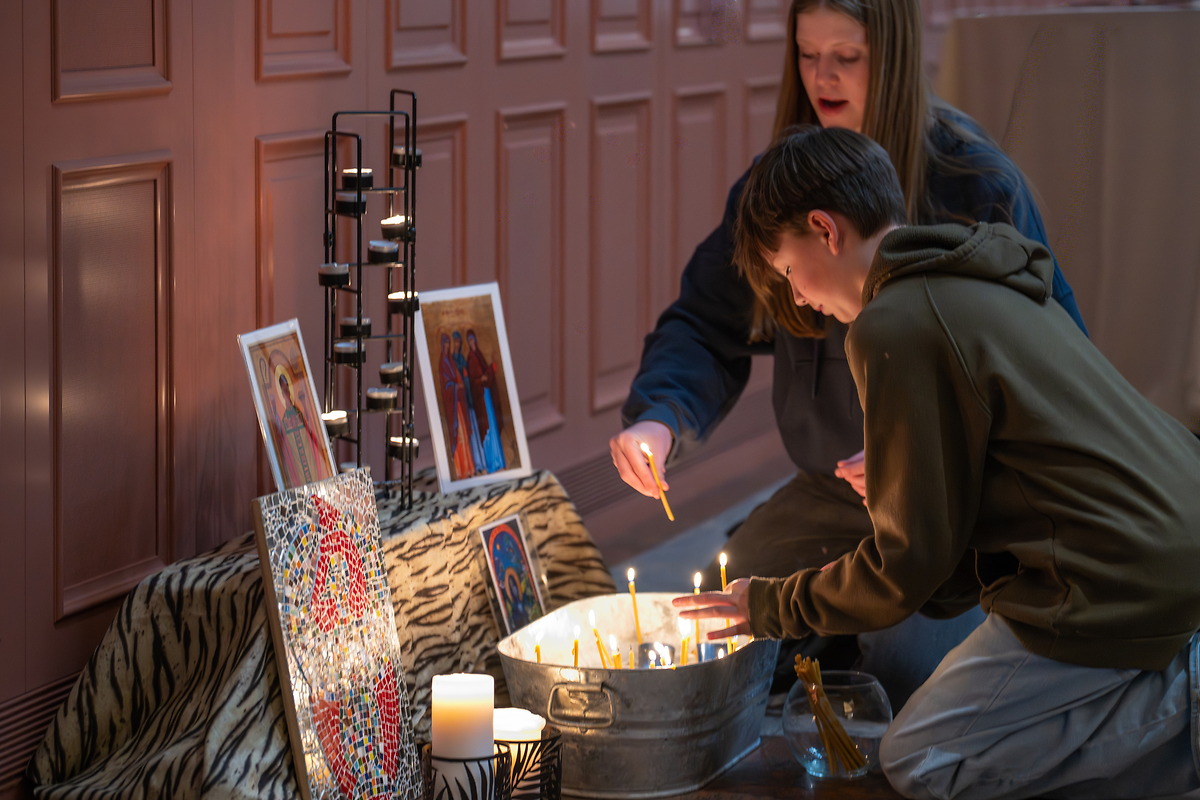
“We didn't just want to hold traditional services; we wanted to fuse ancient traditions with the gritty reality of life,” Reyes said.
The Rev’d Isaac Everett, who was hired as The Crossing’s minister of liturgical arts in its fourth year, sees it as a rare example of a community that successfully engaged younger generations by leaning into new spiritual rhythms.
"The Crossing is an incredible example of what young adults can do when they're trusted with church leadership,” says Everett, who was ordained in 2017 and now serves as executive director of Creche, forming intentional communities in the Boston area. “How many dioceses have a congregation which, from liturgy to finances to hospitality to spiritual formation, is led primarily by people under the age of 40?"
Always an Affirming Church
Central to the identity of The Crossing since its inception is its unwavering commitment to being a space where LGBTQIA+ individuals are the very heartbeat of the community. In a national landscape where many feel targeted, this intentionality serves as a prophetic witness for the entire Diocese.
"If you are an LGBTQIA+ person, or a person who loves someone in our community, there are congregations in eastern Massachusetts that are waiting to welcome you," Rohrbach says. "People to know, a place of belonging, where you can be your full self. There is joy in being together as we seek to build justice and share God's love."
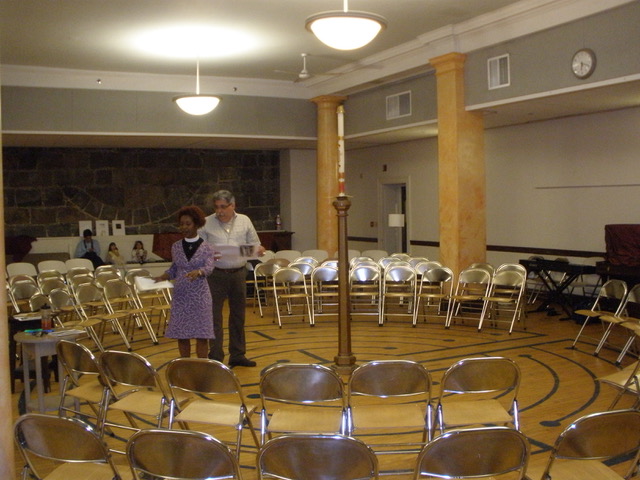
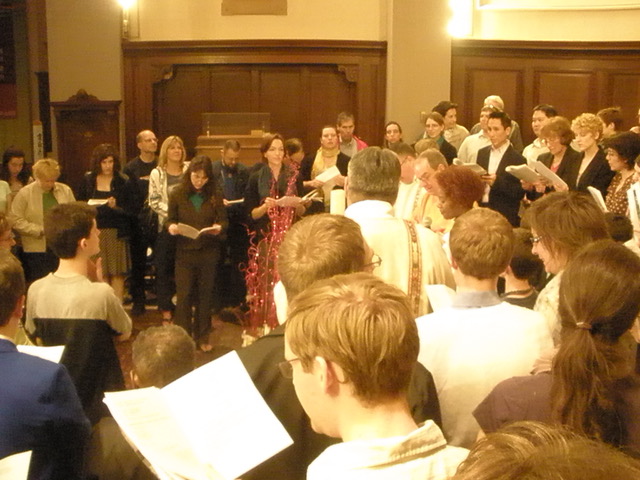
This commitment to authenticity has long fueled the community's radical welcome.
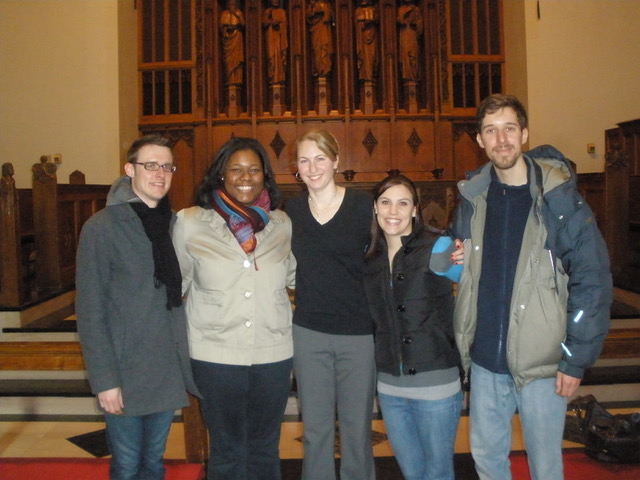
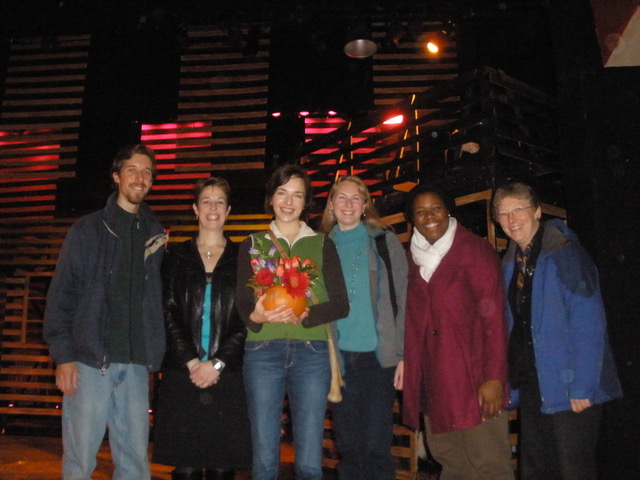
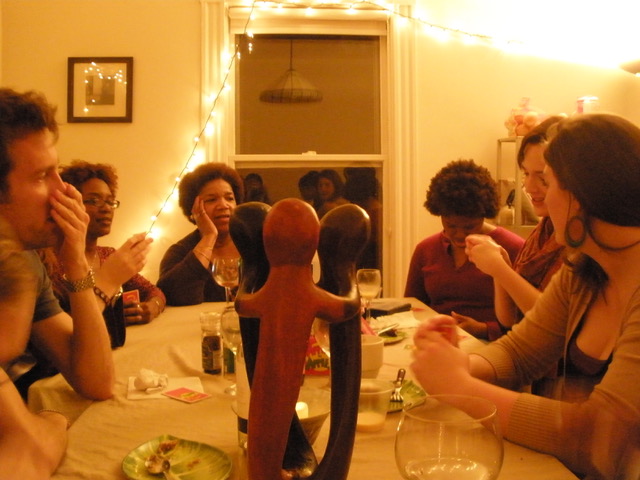
"What made The Crossing so special was intentionally focusing on people and groups that had felt the all-embracing, healing love of God the least," adds Reyes, who supplied circa-2010 photos for this article. "The underlying philosophy was that everyone was invited to bring their whole selves before God; their joy, pain, truth, hope, all of it."
A Social Network of Shared Care
While the Thursday night service is The Crossing community's heartbeat, Steinhauser points to its radical welcome extending into a dense, daily social network of shared pastoral care, formation, and witness.
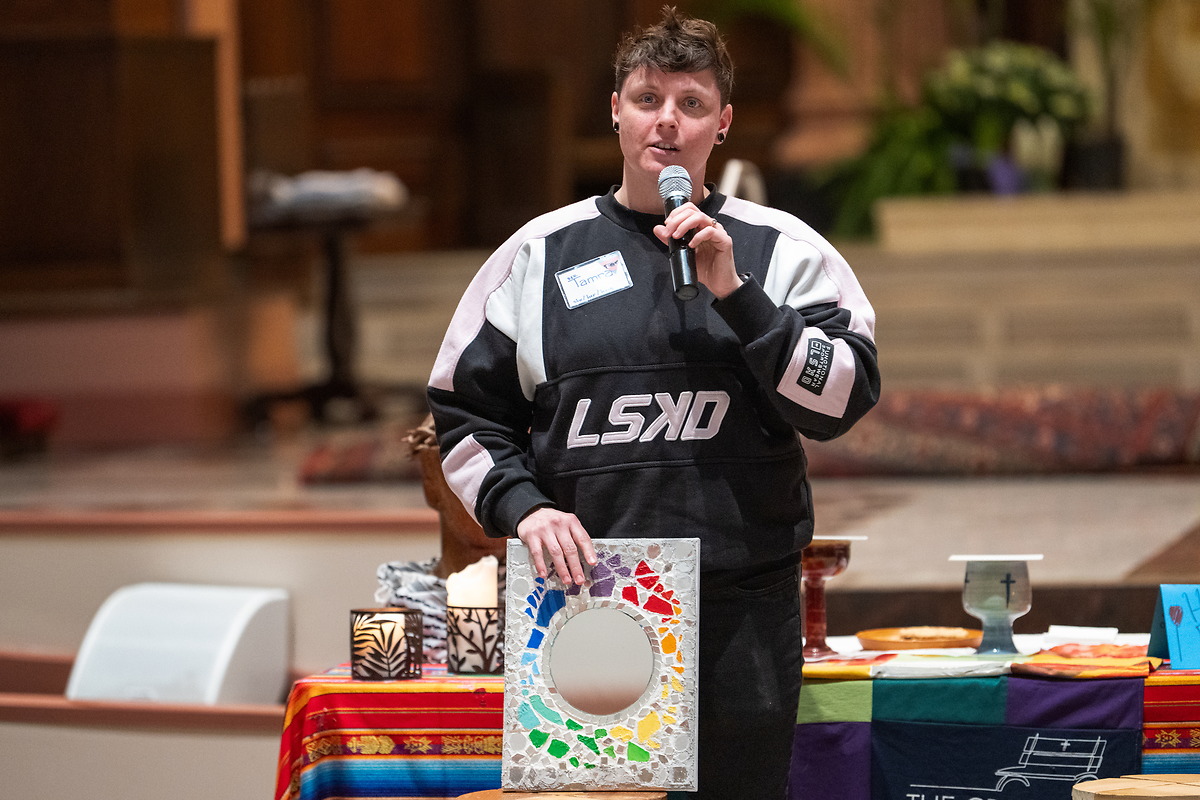
For many, The Crossing is their primary community, extended through a coffee hour before and after every service. Members often gather for tea and snacks before worship or head to a nearby brewpub afterward, and the more time they spend together, the more ties are strengthened.
The rhythms of this community reflect a deep commitment to the Diocese’s mission of seeking justice and fostering creative discipleship. This includes:
- Justice in action: At least once a month, members participate in vigils for immigration issues, LGBTQ+ rallies, or training in "resistance singing."
- Formation and study: The community regularly engages in book groups—recently reading Spellers' Radical Welcome—and collaborative Bible studies with partner congregations.
- Creative and outdoor fellowship: From science fiction book clubs and craft circles hosted in members' homes to monthly "Holy Hikes" in the Boston area, the community nurtures personal connection as sacred space.
Like the Thursday services, anyone is welcome to join the rest of the events, Steinhauser said, adding, “Don’t you think most healthy churches do this?”
Sustainability Through Shared Ministry
The longevity of the community is a testament to the commitment of lay leaders and diocesan support, and as the Diocese seeks to strengthen all worshipping communities, the lessons from The Crossing offer a roadmap for the future.
"I think for a long time people thought The Crossing was a temporary project, but it has become part of the fabric of the Diocese," says the Rev’d Lynn Campbell, who attended The Crossing’s first service on April 20, 2006, and began to seriously imagine her own journey toward ordained ministry. She currently serves as rector of Church of the Advent in Medfield.
"The 20th anniversary is a moment to recognize that the Diocese didn't just fund an experiment; they invested in a community that has become a spiritual home. It’s about the work of seeing Stephanie and her leadership team’s original vision evolve and persist, showing that this kind of inclusive worship is sustainable."
The April 9 celebration was more than a reunion; it was a demonstration of a diocese "becoming together." In the laughter, the selfies, and the rhythmic blessings, The Crossing proved that when a congregation provides an abundant welcome to life in Christ, it does more than fill pews (or, in the case of The Crossing, chairs arranged in a circle so everyone can see one another). This is a powerful way to build the future of the church.